
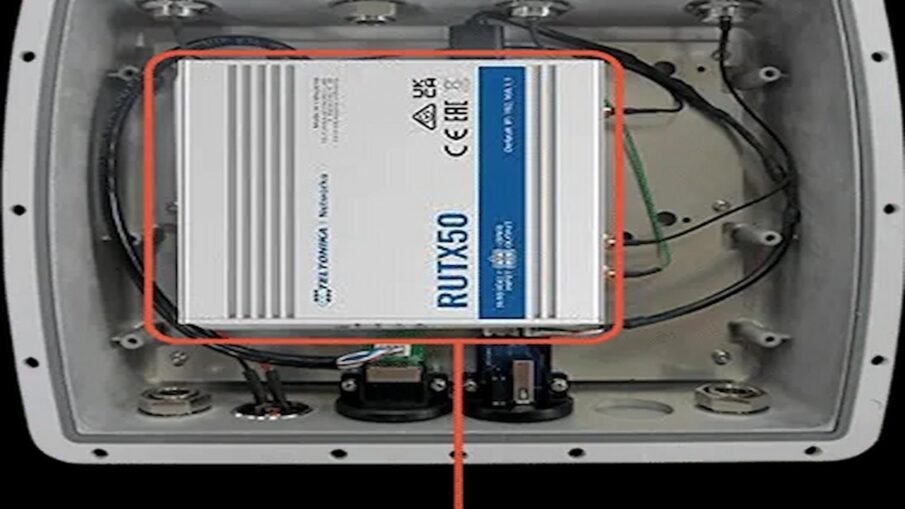
Protecting electrical systems from harsh weather is essential for reliability and safety. This guide explores how GTT Wireless – weatherproof electrical enclosures safeguard sensitive equipment, enhance system performance, and reduce downtime—ensuring your operations stay secure and efficient, no matter the environmental conditions.
Electrical and electronic systems form the backbone of today’s connected world—powering everything from telecommunications and industrial automation to renewable energy setups. Yet, when exposed to harsh environmental conditions like rain, dust, or extreme temperatures, these systems become vulnerable to failure. This is where GTT Wireless – weatherproof electrical enclosures play a pivotal role, ensuring that sensitive equipment remains protected, reliable, and efficient in any setting.
Weatherproof electrical enclosures are not just boxes; they are the first line of defence against environmental hazards. By sealing off equipment from moisture, debris, and temperature fluctuations, they extend the lifespan of components and reduce downtime—key priorities in mission-critical industries.
Understanding Weatherproof Electrical Enclosures
A weatherproof electrical enclosure is a specialised housing designed to protect electrical or electronic components from external elements. Typically made from robust materials like stainless steel, polycarbonate, or aluminium, these enclosures are built to meet rigorous standards such as IP (Ingress Protection) and NEMA (National Electrical Manufacturers Association) ratings.
Key Features:
- Sealing Gaskets: Prevent ingress of dust, water, and humidity.
- Corrosion Resistance: Protects against environmental degradation.
- Temperature Stability: Maintains internal climate despite external extremes.
- UV Protection: Prevents damage from prolonged sun exposure.
- Customisable Design: Accommodates various sizes, cable entries, and mounting options.
Why Weatherproof Enclosures Are Essential for System Reliability
In outdoor and industrial environments, electrical systems face continuous stress from weather and pollutants. Without proper protection, even a minor water leak or dust intrusion can cause short circuits, corrosion, or complete system failure.
1. Prevents Electrical Hazards
Moisture ingress is one of the leading causes of electrical short circuits. Weatherproof enclosures provide sealed protection that minimises the risk of electrocution, fires, or component damage.
2. Enhances Longevity
By keeping contaminants out, these enclosures significantly extend the lifespan of electrical equipment. This translates to lower maintenance costs and fewer replacements.
3. Ensures Consistent Performance
A stable environment ensures that components like sensors, relays, and switches operate accurately, maintaining the system’s overall performance.
4. Compliance with Safety Standards
Industries like energy, telecommunications, and transport must adhere to strict safety regulations. Using weatherproof enclosures helps meet these compliance requirements efficiently.
GTT Wireless – Weatherproof Electrical Enclosures: Engineered for Performance
When reliability is non-negotiable, GTT Wireless – weatherproof electrical enclosures stand out for their superior design and durability. Engineered for demanding environments, these enclosures are ideal for telecom towers, smart city infrastructure, renewable energy systems, and remote monitoring setups.
Product Highlights:
- Durable Construction: Built from reinforced materials capable of withstanding temperature extremes and mechanical impact.
- Smart Design: Easy access for maintenance, without compromising weatherproof integrity.
- Thermal Management: Equipped with vents and heat-dissipation features to prevent overheating.
- Flexible Mounting: Suitable for pole, wall, or ground installation in varied terrains.
Example Use Case:
In a remote solar monitoring station, continuous exposure to dust, rain, and UV radiation can quickly degrade electronic controllers. Installing a GTT Wireless – weatherproof electrical enclosure ensures optimal performance by keeping circuits clean, cool, and dry.
Choosing the Right Weatherproof Electrical Enclosure
Selecting an appropriate enclosure depends on the application, environmental conditions, and regulatory standards. Below are critical factors to consider:
1. Material Selection
- Polycarbonate: Lightweight and impact-resistant, ideal for outdoor electronics.
- Stainless Steel: Offers superior corrosion resistance for marine or industrial zones.
- Aluminium: Balances strength and heat dissipation, suitable for telecom installations.
2. IP Rating
The IP rating (Ingress Protection) defines how well an enclosure prevents intrusion:
- IP65: Dust-tight and protected against water jets.
- IP66: Enhanced protection from strong water jets.
- IP67: Resistant to temporary submersion in water.
3. Temperature Range
Choose enclosures rated for your operational climate, especially in regions with extreme cold or heat.
4. Ventilation and Thermal Control
Ensure adequate airflow or built-in fans to manage heat generated by internal components.
5. Ease of Maintenance
Look for designs that allow secure yet convenient access for inspection, repairs, or upgrades.
Installation Best Practices for Long-Term Reliability
Even the best enclosure can fail if not installed properly. Follow these guidelines to ensure maximum protection and longevity:
- Inspect Seals and Gaskets: Before installation, check for cracks or wear in sealing components.
- Avoid Over-Tightening: Excess pressure on screws or hinges can distort seals, compromising weatherproofing.
- Use Proper Cable Glands: Choose glands compatible with the enclosure’s IP rating to maintain integrity.
- Position Strategically: Install away from direct water jets or heat sources when possible.
- Regular Maintenance Checks: Periodic inspections ensure that seals remain intact and free from debris.
Industries That Depend on Weatherproof Enclosures
- Telecommunications: Protects sensitive wireless communication modules and power units in outdoor towers.
- Renewable Energy: Shields solar inverters and monitoring systems from environmental exposure.
- Transportation: Secures signalling equipment and electrical junctions in rail and road systems.
- Manufacturing: Safeguards automation control panels from dust, oil, and humidity.
- Utilities: Essential for electrical substations, water treatment plants, and grid control systems.
How Weatherproofing Enhances System Uptime
A system’s uptime directly reflects its operational reliability. Weatherproof electrical enclosures minimise unexpected downtime caused by:
- Moisture-induced short circuits
- Corrosion of connectors
- Dust accumulation on sensitive sensors
- Thermal expansion or contraction damage
For example, in an outdoor surveillance setup, failing to protect network switches or power supplies can result in costly system outages. A high-quality weatherproof enclosure ensures the equipment runs smoothly around the clock.
Future Trends in Weatherproof Electrical Enclosure Design
With the rise of smart infrastructure and IoT networks, enclosure technology is evolving rapidly.
1. Smart Monitoring
Modern enclosures are being fitted with internal sensors to track humidity, temperature, and tampering in real time.
2. Eco-Friendly Materials
Manufacturers are developing recyclable, corrosion-resistant composites to reduce environmental impact.
3. Compact Modular Designs
Smaller, modular units are becoming popular for distributed systems like IoT nodes and microgrids.
4. Improved Aesthetics
Especially in urban smart-city projects, enclosures are designed to blend with architecture while maintaining robust protection.
Actionable Tips for Selecting a Reliable Enclosure
- Match IP Ratings to Environment: Don’t overpay for unnecessary protection, but never under-specify for outdoor or industrial use.
- Invest in Quality Brands: Proven suppliers like GTT Wireless – weatherproof electrical enclosures provide certified, field-tested solutions.
- Prioritise Lifecycle Cost: A higher upfront investment often results in lower long-term maintenance and replacement expenses.
- Customisation Matters: Request fittings or dimensions tailored to your system layout.
Conclusion:
Weatherproof electrical enclosures are more than just hardware—they are strategic assets that protect your entire system from environmental risks. Whether it’s a remote telecom tower, a solar array, or an industrial control room, these enclosures ensure operational integrity and reduce costly downtime.
Investing in GTT Wireless – weatherproof electrical enclosures means investing in reliability, safety, and long-term performance. As systems grow smarter and more interconnected, robust environmental protection remains the foundation of dependable infrastructure.
Leave a Reply
You must be logged in to post a comment.